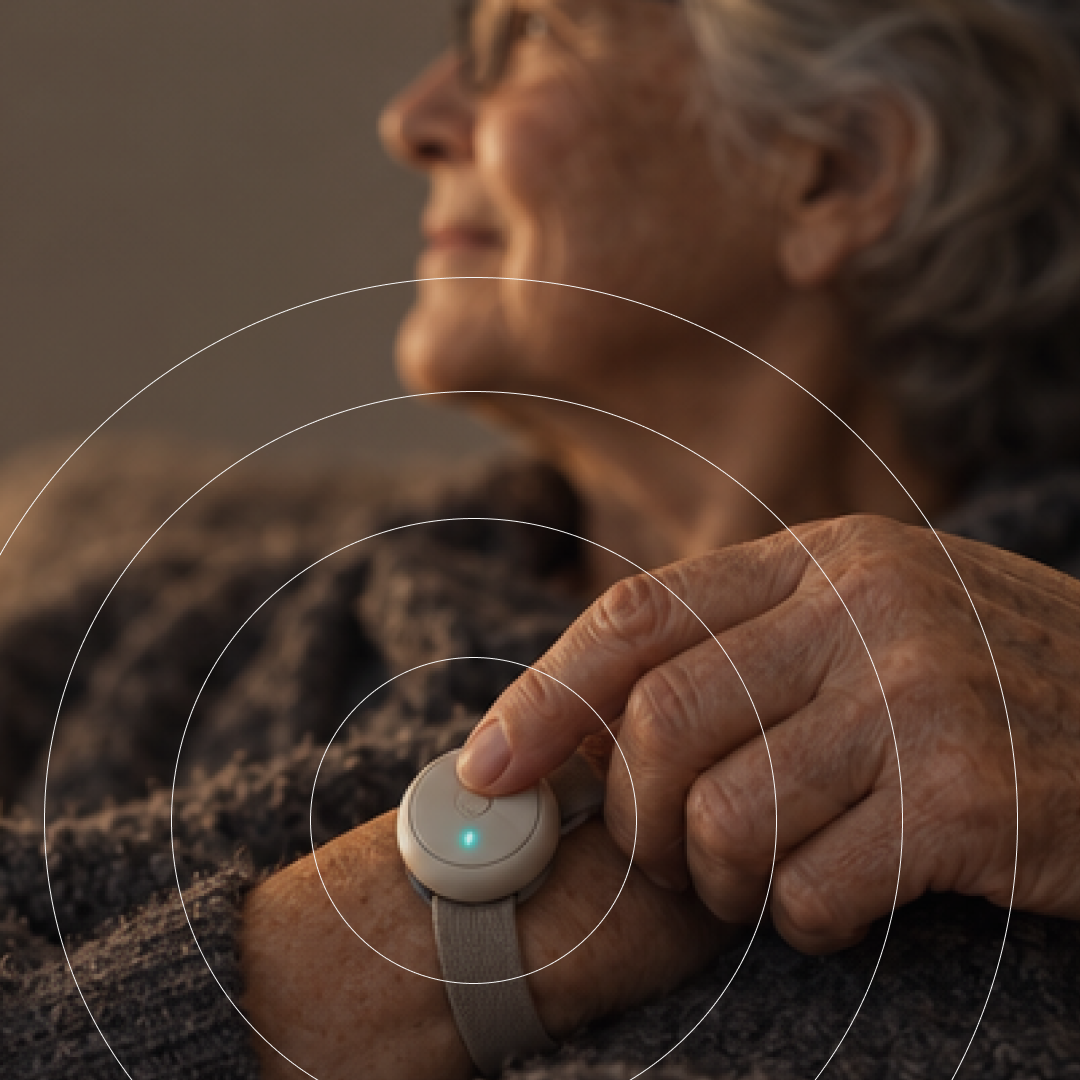
For many older adults living alone, the gap between a welfare check and a privacy concern can feel very small.
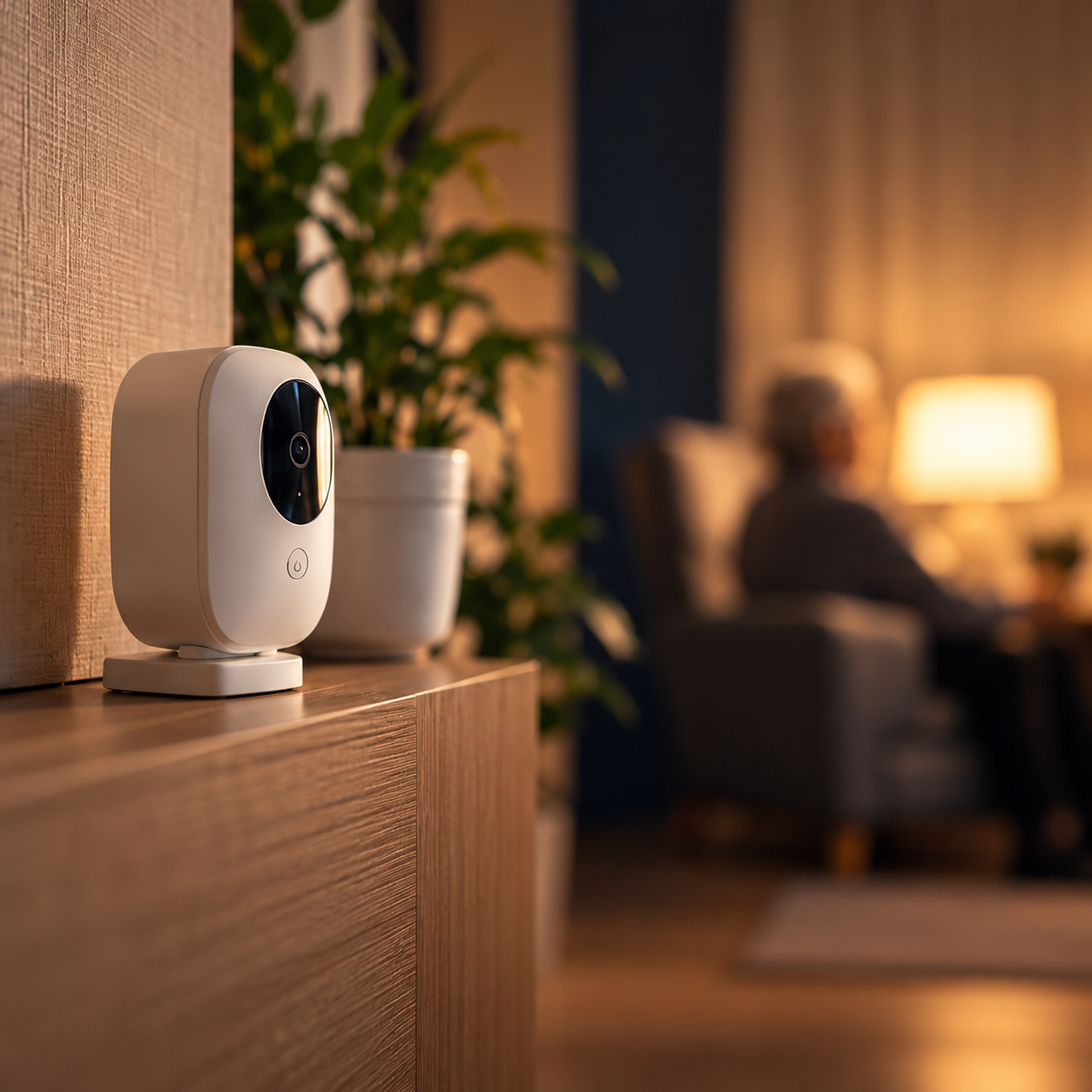
Remote monitoring, using cameras or sensors to check on a service user without physically visiting them, is becoming more common in care. It saves staff time, can reduce unnecessary call-outs, and offers reassurance to both residents and families. For local authorities trying to meet growing demand with limited resources, it offers a way to support more people without adding more visits to already full schedules.
But deploying remote monitoring also raises questions that care providers need to answer, both from an ethical perspective and under data protection law. Who can see the footage? When is monitoring active? What happens to the data? And does the person being monitored feel watched rather than supported?
The regulatory context
Under GDPR, any system that captures visual data of identifiable individuals constitutes processing of personal data. That means care providers must have a lawful basis for using remote monitoring, a clear data retention policy, and documented processes for how footage is accessed, stored and deleted.
In practice, this creates real operational complexity. Consent must be informed and freely given. Residents must understand what the monitoring involves. And any system that captures identifiable images, even momentarily, carries with it a compliance burden that many care organisations are not yet equipped to manage.
For many local authorities, this regulatory complexity has been enough to slow adoption. Many recognise the need and know the technology is there, yet find it hard to justify a procurement while the legal and ethical risks remain unresolved.
Where technology can help
The good news is that the technology has moved on. Remote monitoring no longer means a camera streaming live footage of someone's home.
Modern systems can conduct visual welfare checks using imagery that does not identify the individual. Anonymous visual monitoring, where the image is processed in a way that makes the person unrecognisable, and non-identifiable image functions, where the system can confirm presence or movement without capturing a usable image of the person, are both technically available today.
These approaches allow care providers to conduct welfare checks remotely, confirm that a resident is safe, and reduce the frequency of physical visits — all without creating a personal data trail that triggers full GDPR obligations.
Among the suppliers in Sweden's ADDA national framework agreement for digital care alarm services, the ability to offer anonymous and non-identifiable image functions during remote monitoring varies significantly. Not all suppliers in the framework offer both. The suppliers that do are Skyresponse partners.
In practice, the remote monitoring solution a care provider selects determines both what is legally permissible and what the resident actually experiences.
What to require
For care providers and municipalities evaluating remote monitoring solutions, privacy-preserving features should be explicit requirements in the procurement process, not optional extras.
The key questions to ask:
- Does the system offer anonymous image functionality during remote monitoring?
- Can welfare checks be conducted without capturing identifiable images of the resident?
- How is visual data stored, and for how long?
- Who within the organisation can access monitoring footage, and is that access logged?
- How does the system support informed consent processes with service users and their families?
The answers determine whether a remote monitoring solution can be deployed in a way that is both legally compliant and ethically defensible, and whether the resident experiences it as support or surveillance.
The resident's perspective
Technology decisions in care are ultimately decisions about how people experience their own lives. A remote monitoring system that feels intrusive will undermine the trust that makes care relationships work. One that is well-designed and properly explained can give residents and families genuine reassurance.
Safety and privacy can go hand in hand. With the right technical solution, remote monitoring supports people reliably while keeping their dignity intact.
Skyresponse is a vendor-neutral, cloud-based alarm management platform supporting response centres, solution providers and care organisations across Europe.